Mallanitan: A Handwritten Font for Modern Creatives
There's a certain magic in a handwritten note. It carries personality, warmth, and a human touch that digital text often lacks. For designers and creators seeking to infuse that authentic feeling into their work, finding the right typeface is crucial. This is where Mallanitan enters the conversation—a premium font that balances elegant simplicity with expressive flow. It's not just another script font; it's a versatile design asset crafted for real-world projects.
Understanding the Visual Character of Mallanitan
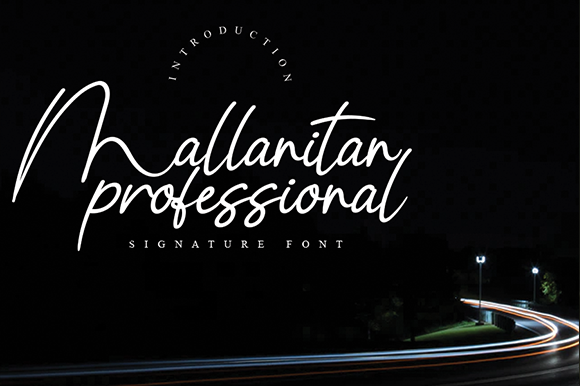
Mallanitan is a handwritten font with a distinct personality. Its letterforms are characterized by a gentle, flowing baseline and subtle, organic variations in stroke weight. This isn't a rigid, calligraphic script. Instead, it feels natural and approachable, as if penned by a skilled hand with a steady rhythm. The connections between letters are smooth and intuitive, creating a cohesive word shape that's easy on the eyes. Its simplicity is its strength; it avoids excessive swashes or overly complex ligatures that can hinder readability, especially at smaller sizes. The overall appeal is one of modern elegance—friendly enough for a personal blog yet sophisticated enough for a boutique brand's logo design.
When you examine its letterforms, you'll notice the lowercase letters have a charming, slightly irregular baseline, mimicking the natural flow of handwriting. The uppercase letters provide a stronger presence, making them ideal for headlines or initials. This duality allows Mallanitan to function well as both a display font for large headings and a complementary element in shorter text blocks. Its visual rhythm feels contemporary, aligning perfectly with trends in modern typography that favor authenticity over sterile perfection.
Where This Font Truly Shines: Practical Applications
The true test of any creative font is its application. Mallanitan's versatility makes it a valuable tool across a spectrum of projects. Its flowing style is a natural fit for wedding invitations, save-the-dates, and event stationery, where it can convey romance and personal sentiment. Beyond events, it excels in packaging design for artisanal goods, cosmetics, or gourmet foods, lending an upscale, crafted feel that resonates with consumers seeking authenticity.
In the digital realm, this script font is a powerful ally for social media graphics. It grabs attention in Instagram stories, adds personality to Pinterest pins, and creates eye-catching quotes or call-to-action overlays in video content. For bloggers and content creators, it can be used for section headers, pull quotes, or featured image text to break the monotony of standard web fonts and build a distinctive visual brand. Small business owners will find it particularly useful for creating cohesive brand identity materials—from business cards and letterheads to thank-you notes and promotional flyers.
It's also worth considering for editorial design. While not suitable for body text, Mallanitan can add flair to magazine layouts, book chapter headings, or newsletter titles. Its friendly demeanor makes it an excellent choice for children's book covers, educational materials, or any project targeting a family-oriented audience. The key is to use it strategically where its personality can enhance, not overwhelm, the message.
Integrating Mallanitan into Your Design Workflow
Choosing a font is a strategic decision. Before selecting Mallanitan, evaluate your project's needs. Is the goal to evoke warmth and approachability? Does the brand voice lean towards the personal and artisanal? If the answer is yes, it's a strong candidate. Always test it in context. Place a sample headline next to your chosen body copy—whether it's a clean sans serif font or a readable serif font—to check for contrast and harmony. A common and effective font pairing is to use Mallanitan for headlines and a simple, geometric sans serif like Montserrat or Open Sans for body text. This creates a clear visual hierarchy and ensures readability.
Review the font package you purchase. A well-crafted premium font like Mallanitan often includes stylistic alternates, ligatures, and sometimes multilingual support. Understanding these features allows you to customize its appearance, perhaps swapping a particular letter form for a more stylistic one to perfect a logo or title. Pay attention to kerning (the spacing between specific letter pairs) in your design software; minor adjustments can significantly improve the polished look of your typography.
From a practical standpoint, consider the licensing. If you're a designer creating work for clients or a marketer producing assets for a company, ensure your license covers commercial use. Most reputable foundries offer clear licensing tiers for desktop, web, and app use. Using a properly licensed commercial font protects your work and supports the typographers who create these essential design assets.
Ultimately, Mallanitan is more than just a set of characters. It's a tool for storytelling. By understanding its visual voice and applying it thoughtfully, you can create designs that feel more human, more engaging, and more memorable. It bridges the gap between the personal touch of handwriting and the professionalism required in branding and design, making it a worthy addition to any creative's typographic toolkit.