Daddy Smile: A Handwritten Font for a Warm, Human Touch
In a digital world saturated with sleek, geometric sans serifs and formal serifs, there’s a growing hunger for designs that feel genuinely human. We crave connection, authenticity, and a touch of warmth in the brands and projects we engage with. This is where a thoughtfully crafted handwritten font like Daddy Smile becomes an invaluable asset. It’s not just a collection of letterforms; it’s a personality waiting to be applied to your work.
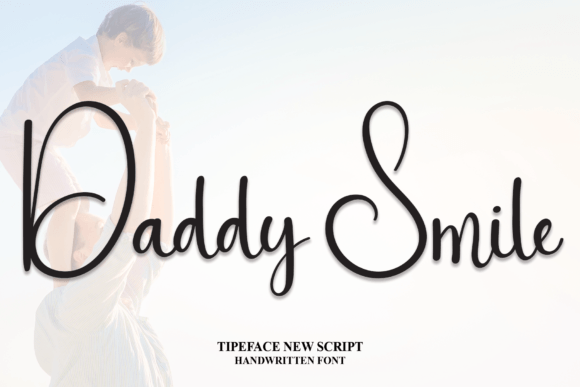
At its core, Daddy Smile is a friendly, approachable script font designed to emulate the casual, confident strokes of a marker or brush pen. Its letters flow with a natural, slightly irregular rhythm, avoiding the stiff perfection of digital type. The character set includes thoughtful ligatures and alternates that help maintain that organic, handwritten feel, preventing the repetition that can make lesser script fonts look artificial. The overall aesthetic is clean, modern, and cheerful—think of a welcoming smile in typographic form. It strikes a balance between being expressive enough to carry personality and legible enough for practical use.
Where Does a Font Like Daddy Smile Shine?
The true test of a creative font is its versatility. Daddy Smile isn’t a one-trick pony; it’s a versatile tool that can adapt to numerous contexts. Its inherent warmth makes it particularly effective for projects where building a personal connection is key.
- Brand Identity & Logo Design: For small businesses, startups, and personal brands—especially those in lifestyle, wellness, food, or family-oriented niches—Daddy Smile can form the cornerstone of a brand identity. It instantly communicates approachability and friendliness. Imagine it on a coffee shop menu, a boutique clothing tag, or the logo for a children’s therapist. It says, “We’re here to help, and we’re easy to talk to.”
- Marketing & Social Media: In the fast-scrolling environment of social media, a touch of handwritten typography can stop a thumb. Use Daddy Smile for headlines on Instagram posts, quotes in carousel graphics, or call-to-action text in Facebook ads. It adds a layer of authenticity that stock imagery and standard fonts often lack, boosting audience engagement.
- Publishing & Editorial Design: While not suited for long-form body text, it excels in editorial design for pull quotes, chapter titles, subheadings, or callout boxes. In magazines or blog graphics, it can break up visual monotony and highlight key messages with a personal voice.
- Packaging & Product Design: On physical goods, a handwritten font adds a craft-like, artisanal quality. It’s perfect for product names, taglines, or special edition labels on everything from jam jars to scented candles to craft beer bottles.
- Personal & Digital Projects: For digital creators, it’s ideal for designing YouTube thumbnails, podcast cover art, or website hero sections. For personal use, it elevates greeting cards, invitations, planners, and scrapbook layouts from standard to special.
Making It Work: Practical Guidance for Designers and Creators
Adopting a new display font like Daddy Smile requires more than just liking its style. It demands thoughtful implementation to ensure it enhances, rather than hinders, your project’s goals. Here’s how to approach it with a professional mindset.
Evaluating Project Fit and Readability
First, assess the project’s primary function and audience. Is it a formal financial report? Probably not the right fit. Is it a bakery’s weekly specials board or a parenting blog’s newsletter header? An excellent match. Always consider readability. While Daddy Smile is crafted for clarity, its handwritten nature means it’s best used for short bursts of text—headlines, titles, logos, and accents. Avoid setting paragraphs or detailed instructions in it. Test it at the intended size and on the intended medium (screen vs. print) to ensure it remains legible.
The Art of Font Pairing
A standalone script font can sometimes feel overwhelming. The key to professional modern typography is pairing. Daddy Smile works beautifully with a clean, neutral sans serif font or a traditional serif font. The contrast creates a clear visual hierarchy and ensures overall readability. For example, use Daddy Smile for a main headline, then set your supporting body copy in a font like Open Sans or Lora. This pairing strategy maintains the friendly vibe while ensuring the information is easy to digest.
Exploring Styles and Licensing
Before committing, review the full package. A quality premium font like Daddy Smile often includes more than just the basic alphabet. Look for stylistic alternates, ligatures, and possibly different weights (like a bold or light version). These features give you more creative control and help you tailor the font to your specific design. Crucially, if your project is commercial—a client’s logo, a product for sale, a monetized website—you must ensure you have the correct commercial font license. Always read the licensing agreement to understand permitted uses.
Building Consistency and Recognition
When used strategically, a distinctive font like Daddy Smile can become a recognizable element of your brand’s visual language. Use it consistently across your touchpoints—your website, social media profiles, email signatures, and printed materials. This consistency builds brand perception and aids in recognition. It becomes a shorthand for your brand’s personality, reinforcing the professionalism of your design assets by showing thoughtful curation.
Ultimately, Daddy Smile is more than just a handwritten font; it’s a design solution for injecting humanity and warmth into your projects. Its strength lies in its ability to bridge the gap between digital precision and personal touch. By understanding its personality, applying it in the right contexts, and pairing it thoughtfully, you can leverage this typeface to create work that doesn’t just communicate a message but also fosters a genuine connection with your audience. It’s a practical, versatile addition to any designer’s or creator’s toolkit, ready to bring a smile to your next project.