Amazing Things: The Handwritten Font That Feels Like a Friend
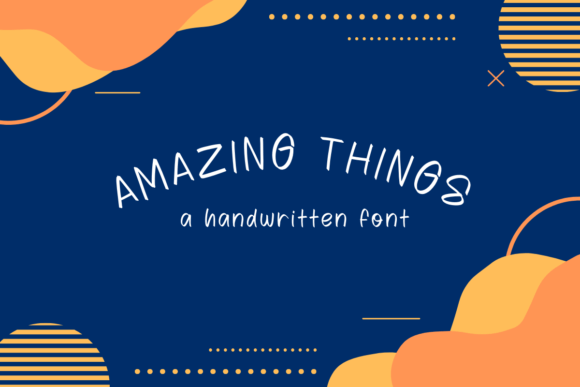
There’s a particular kind of warmth a handwritten font brings to a project. It’s the feeling of a personal note, a quick sketch on a napkin, or a heartfelt message inside a birthday card. In a digital world that can often feel sterile, this touch of human imperfection is a powerful tool. The Amazing Things typeface is designed to deliver exactly that feeling. It’s a fun, playful, and incredibly versatile handwritten font that has the potential to become a staple in your creative toolkit, whether you’re a designer, a small business owner, or a passionate crafter.
This isn’t just another script font. Its character lies in its balanced inconsistency. The letters have a natural, slightly varied baseline and a casual flow that mimics real handwriting, but it’s refined enough to remain legible. This is the sweet spot for a creative font. It avoids the pitfalls of being too childish or too messy, striking a chord that feels authentic and approachable. The overall appeal is one of joy and sincerity, making it a fantastic display font for projects that need to connect on an emotional level.
Where Your Handwritten Font Truly Shines
Understanding where a font works best is half the battle. Amazing Things excels in contexts where personality and approachability are key. In brand identity, it’s perfect for businesses that want to project a friendly, artisanal, or personal vibe. Think of a local bakery’s logo, a handmade jewelry shop’s packaging, or the header of a lifestyle blog. It immediately signals that there’s a human behind the brand.
For marketing and social media graphics, its energy is contagious. Use it for quotes, announcements, or call-to-action text on Instagram stories and Pinterest pins to grab attention and foster engagement. In editorial design, it can be used sparingly for pull quotes or section headers in magazines and newsletters to break up dense text and add a moment of visual relief. It’s also a natural fit for packaging design, especially for products targeting a younger demographic or those in the food, beauty, or craft sectors.
Beyond commercial use, its charm is undeniable for personal projects. It’s a go-to for creating custom greeting cards, wedding invitations, scrapbook layouts, and printable wall art. The font’s playful personality makes any DIY project feel more polished and intentional, turning a simple craft into something special.
Making Amazing Things Work for Your Brand
Choosing a font is a strategic decision. Here’s how to evaluate and implement Amazing Things effectively.
Assessing Project Fit
Ask yourself: does this project call for warmth, creativity, and a personal touch? If you’re designing a law firm’s website or a formal annual report, this is not the font for you. But if you’re working on a yoga studio’s class schedule, a podcast cover, or a food blog’s recipe cards, it’s a strong contender. Its personality should align with the message and audience you’re trying to reach.
The Art of the Font Pairing
A handwritten font rarely works well for large blocks of body text. Its strength is as a headline or accent font. The key to professional use is pairing it with a clean, highly readable typeface. For a classic, balanced look, pair Amazing Things with a neutral sans serif font for your paragraphs. If you’re aiming for a more elegant or editorial feel, a simple serif font can provide beautiful contrast. The goal is to let the handwritten font’s personality shine without sacrificing overall readability.
Exploring Its Versatility
When you acquire a premium font like this, check for included styles. Often, you’ll find multiple weights or stylistic alternates. These extras are invaluable. A bolder weight might be perfect for a main logo, while a lighter version could work for subtitles or social media tags. Stylistic alternates allow you to customize the look of specific letters, ensuring your design feels unique and avoiding repetition in longer headlines.
Readability and Licensing
Always test your font choices at the size they’ll be used. While Amazing Things is designed for clarity, extremely small sizes or low-contrast color combinations can hinder its effectiveness. For any project that will be sold or used commercially—from a client’s website to merchandise—it’s non-negotiable to ensure you have the correct commercial font license. This protects you and respects the work of the type designer.
In the end, a great font is more than just letters on a page. It’s a tool for storytelling. Amazing Things offers a story of creativity, warmth, and personal connection. By using it thoughtfully, you can inject that feeling into your designs, making your projects more engaging, memorable, and genuinely human. It’s a valuable asset for anyone looking to add a touch of authentic charm to their visual communication.